

the latest from Pointer HVAC
the latest from Pointer
Welcome to our News & Insights page at Pointer! Here, we share the latest updates, tips, and trends in the heating and cooling industry. Our blog is a treasure trove of information designed to help you make the most of your HVAC systems.
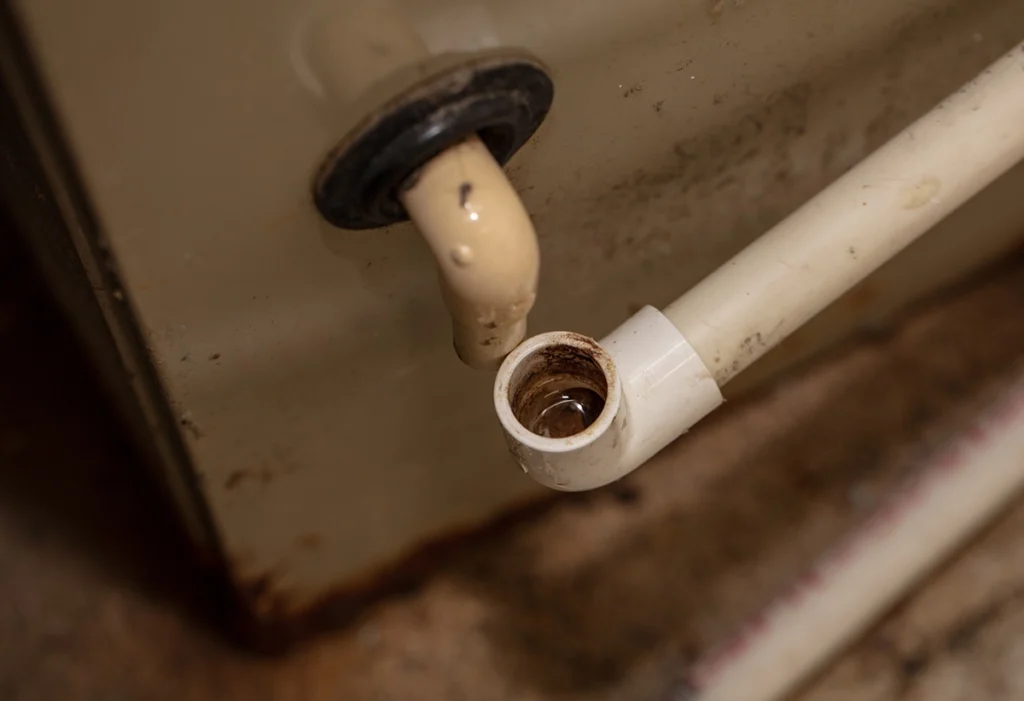
HVAC service valves are critical components that control refrigerant flow in your heating and cooling system. When these valves fail, your entire system’s performance suffers, leading to poor cooling, heating issues, and potentially costly damage. Understanding what these valves do and recognizing the warning signs of problems can help you catch issues early and avoid major repairs. What Are HVAC Service Valves and How Do They Work? Service valves are essentially shut-off points in your HVAC system’s refrigerant lines. Located

Understanding how the refrigerant cycle works in your air conditioning system helps you recognize when something’s wrong and appreciate the complexity of modern HVAC technology. This continuous process is what transforms your AC from a simple fan into a powerful cooling machine that keeps your Moncks Corner home comfortable even during scorching summer days. What Is the Refrigerant Cycle? The refrigerant cycle is a closed-loop process that moves heat from inside your home to the outdoors. This thermodynamic cycle relies
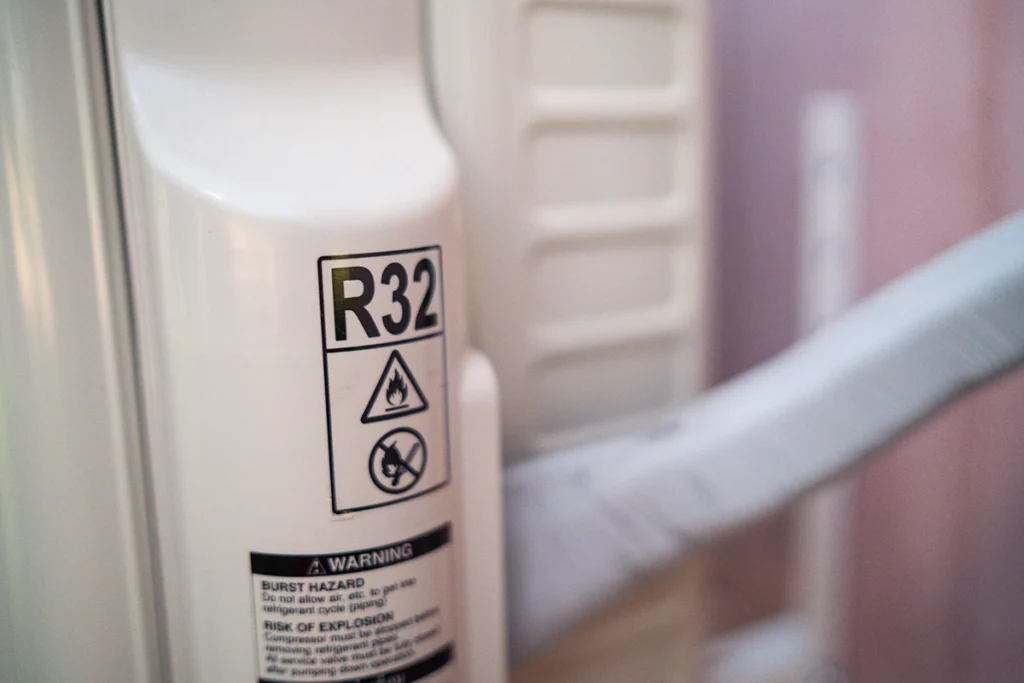
R32 refrigerant is a single-component hydrofluorocarbon (HFC) coolant that’s becoming the new standard in modern air conditioning systems. Unlike older refrigerants like R410A, R32 offers improved energy efficiency and significantly lower environmental impact while maintaining excellent cooling performance. Since 2019, many HVAC manufacturers have transitioned to R32 in their newer AC units and heat pump systems. If you’re considering a new system or wondering about your current refrigerant type, understanding R32’s benefits and requirements can help you make informed decisions
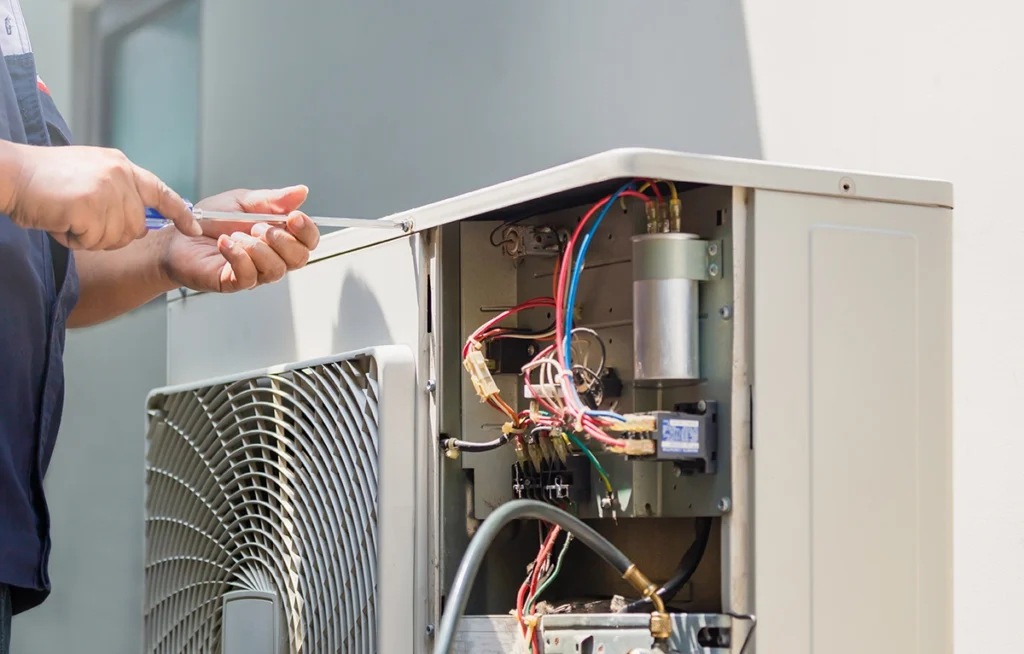
When your HVAC system starts acting up, knowing whether you need professional HVAC repair Moncks Corner SC can save you time, money, and frustration. From strange noises to uneven temperatures, your heating and cooling system gives you clear warning signs when something’s wrong. At Pointer Cooling and Heating, we’ve been helping Moncks Corner homeowners diagnose and fix HVAC problems since 1998. Our NATE-certified technicians understand the unique challenges that Lowcountry weather brings to heating and cooling systems, and we’re here
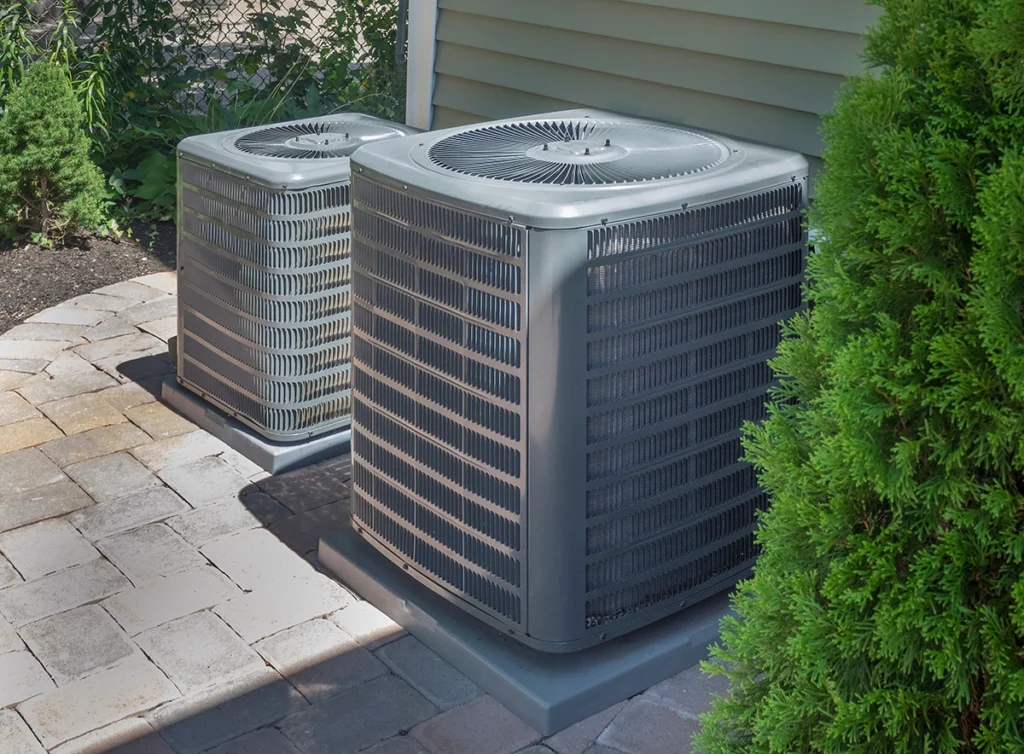
When the AC stops cooling the way it should, the outdoor unit is often part of the story. At Pointer Cooling and Heating, we see AC condenser problems show up as weak airflow, longer run times, higher energy bills, or strange noises outside. In many cases, the issue starts small, but it can put a lot more strain on the system if it gets ignored. What the AC Condenser Actually Does The condenser is the outdoor part of a central
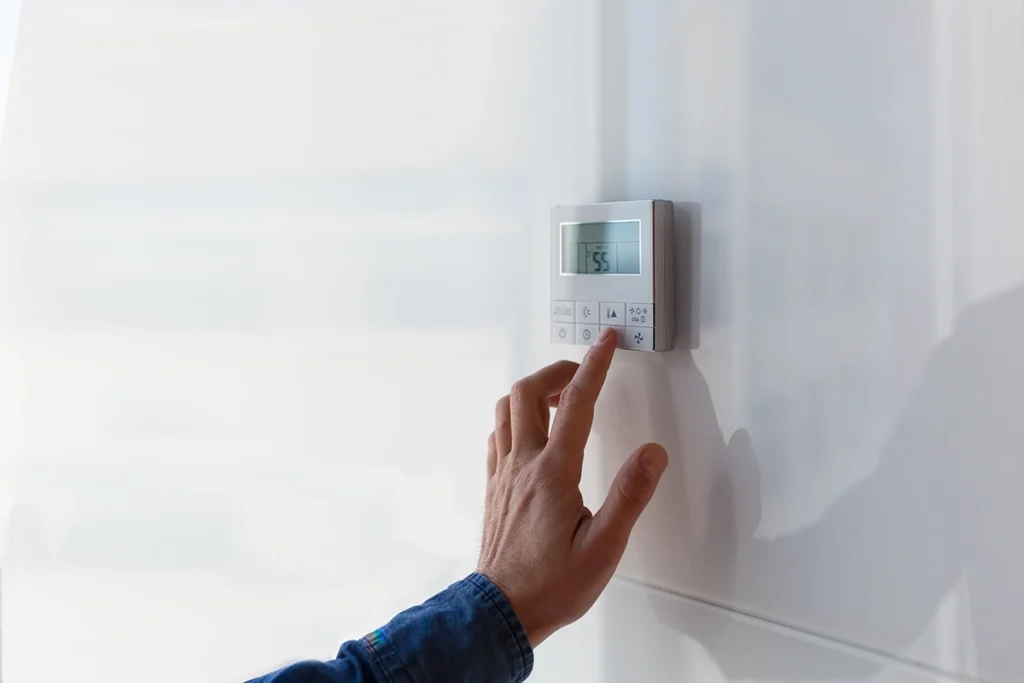
If your thermostat isn’t working, take a breath. We get this call all the time at Pointer Cooling and Heating, and in many cases, the cause is simpler than people expect. Before you assume the furnace, heat pump, or AC failed, start with a few safe checks. Sometimes the thermostat is the issue. Other times, it’s power, settings, or an HVAC problem that makes the thermostat look guilty. So, let’s walk through what we check first in the field and
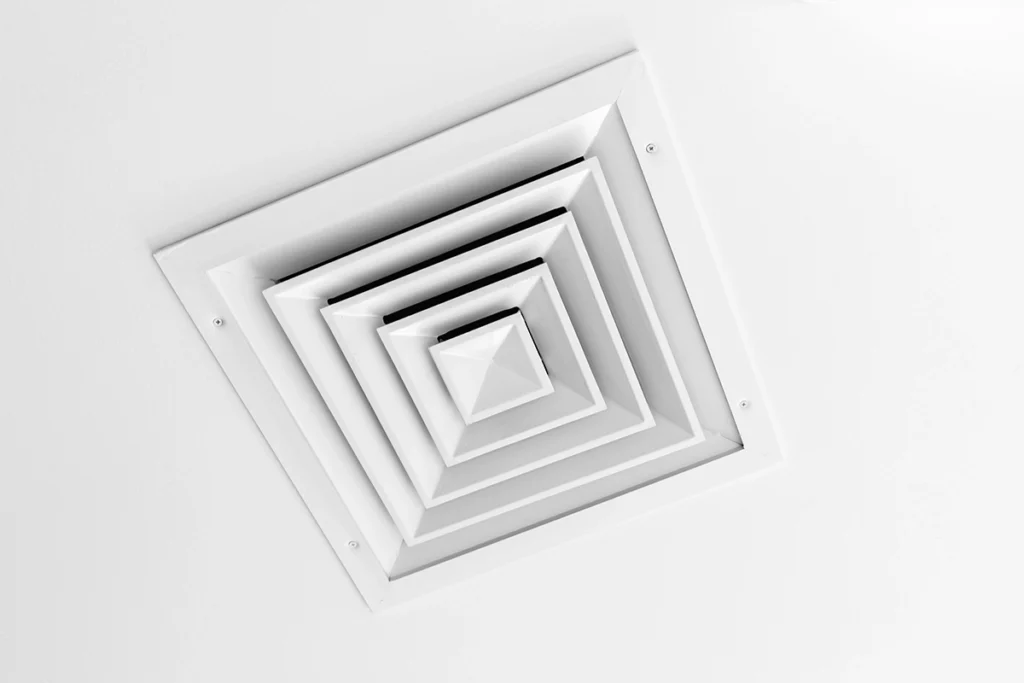
If you’re comparing HVAC options, a ducted mini split can be a great middle-ground between traditional central air and wall-mounted ductless units. At Pointer Cooling and Heating, we help people sort through this choice often, and the same questions usually come up: Will it look clean, will it stay comfortable, and what will it cost? A ducted mini split system can give you quiet, efficient heating and cooling with a hidden indoor unit. However, it’s not the best fit for
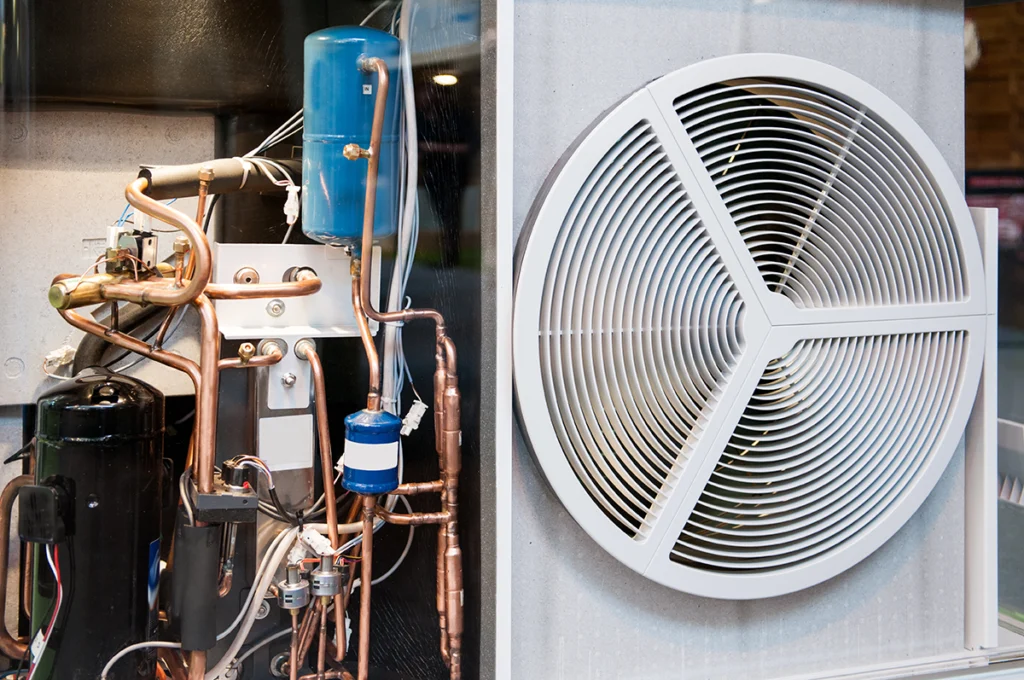
When an air conditioner evaporator coil starts acting up, the whole system feels “off.” The house cools slowly, the air feels damp, and the unit seems to run forever. At Pointer Cooling and Heating, we see this all the time. The coil is small, but it does a big job. So when it’s dirty, iced, or leaking, comfort drops fast. Evaporator coil trouble can mimic a few different AC issues. So instead of guessing, it helps to walk through the

When homeowners call us about their AC not blowing cold air, the conversation almost always starts the same way. The thermostat looks right, the system is running, and yet the house feels warm. Naturally, that’s frustrating — especially during the hottest part of summer. At Pointer Cooling and Heating, we see this issue constantly, and fortunately, most causes are easier to diagnose than people expect. Before assuming the air conditioner failed, it helps to understand what your cooling system actually
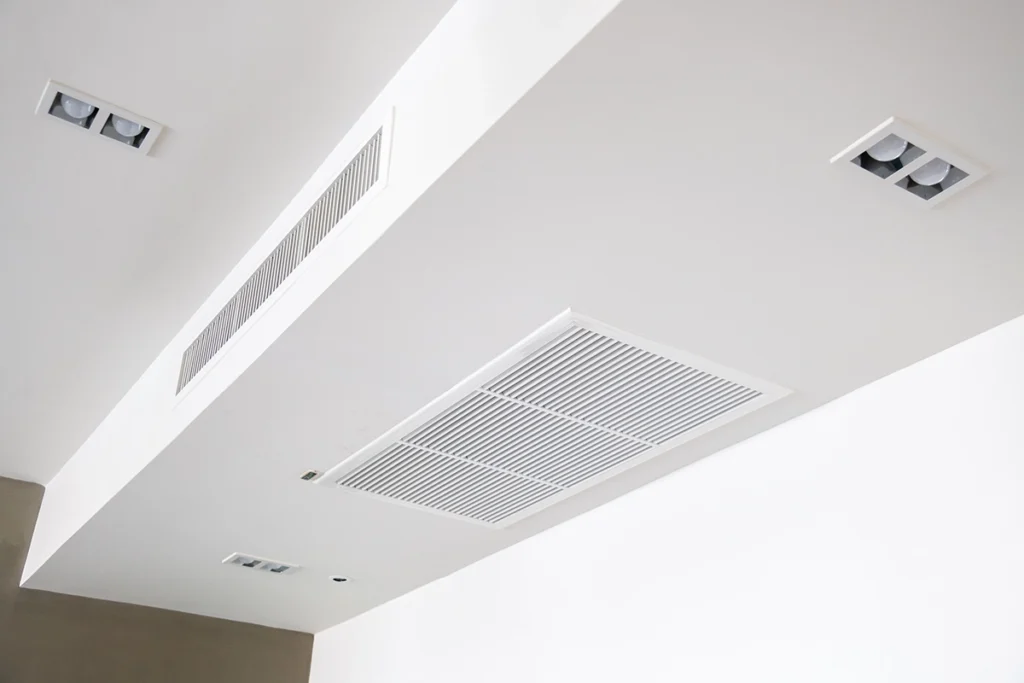
Many homeowners start asking about a return air vent vs supply vent after noticing different vents throughout the house. They look similar at first glance, but they serve completely different roles in how your HVAC system moves air. At Pointer Cooling and Heating, we explain this often because understanding airflow helps prevent comfort issues, high energy bills, and unnecessary system strain. In simple terms, supply vents push conditioned air into rooms, while return vents pull air back to the system.
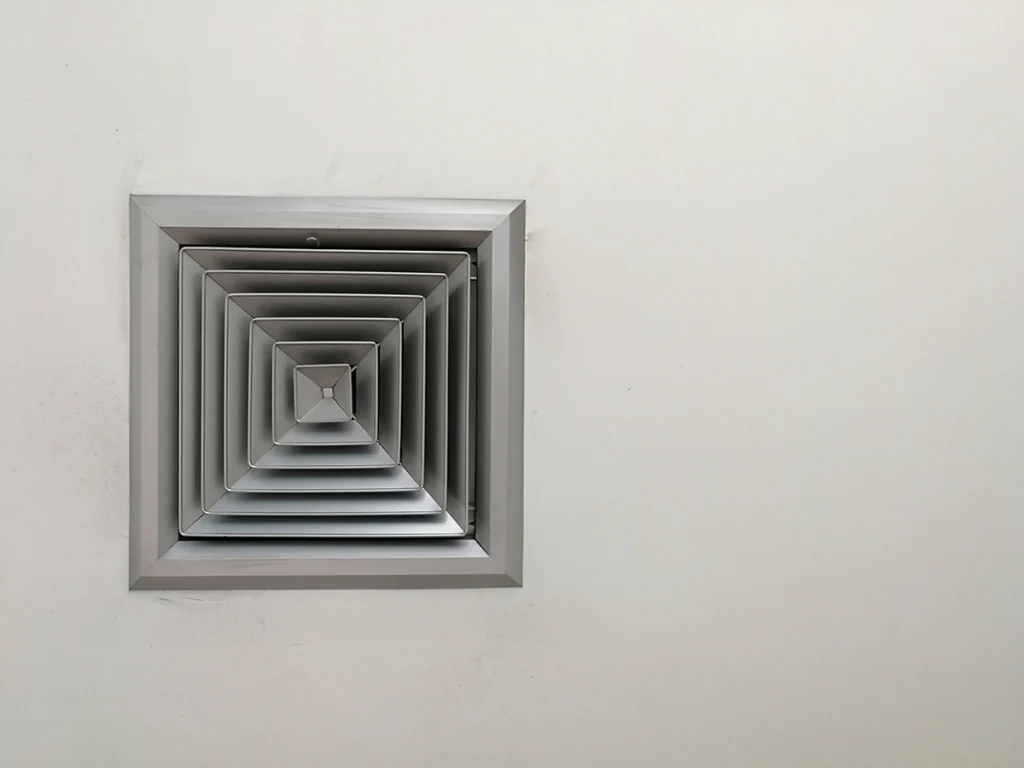
An HVAC diffuser plays a bigger role in home comfort than most people realize. It directly affects airflow, temperature balance, and overall system performance. At Pointer Cooling and Heating, we often find that uneven temperatures trace back to poor air distribution rather than equipment failure. Before assuming your system is struggling, it’s worth understanding how an HVAC diffuser works. What Is an HVAC Diffuser? An HVAC diffuser is the visible vent cover connected to your ductwork. Unlike a basic grille,
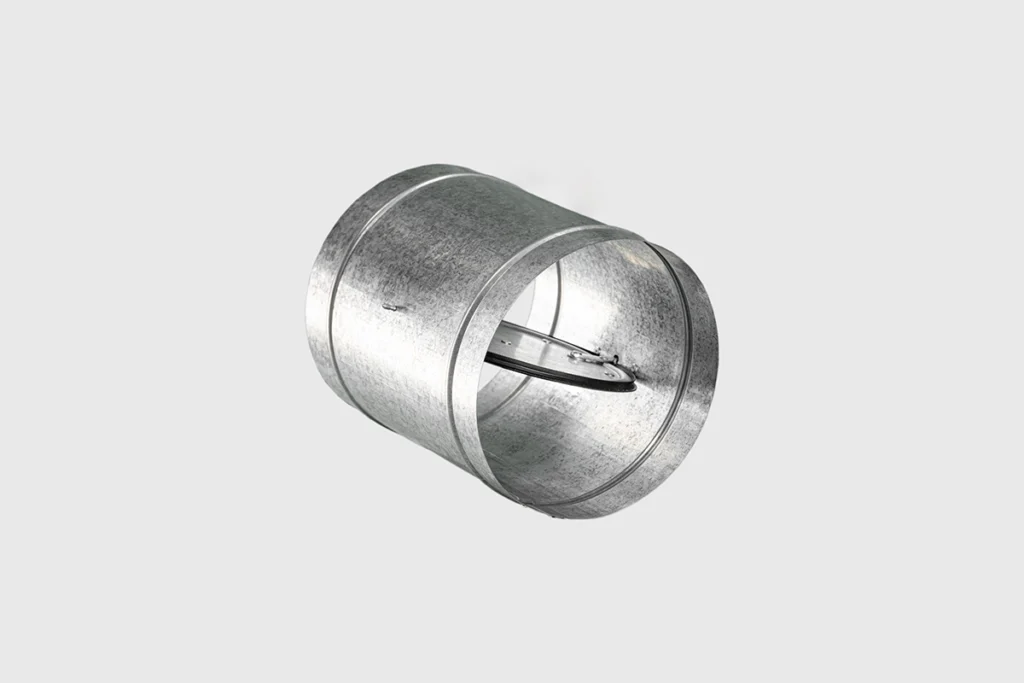
When homeowners talk about uneven temperatures or weak airflow, the issue often traces back to the HVAC damper. Dampers quietly shape comfort in many homes, even though most people never notice them. These components play a major role in how air moves, where it goes, and how efficiently an HVAC system operates. Because airflow problems can feel mysterious, understanding how an HVAC damper works makes troubleshooting far less frustrating. Once you know what to look for, many comfort issues start

Home comfort is about more than temperature alone. From our day-to-day work at Pointer Cooling and Heating, one question comes up constantly: what should the humidity be in your house? Homeowners notice dry skin, window condensation, musty smells, or rising energy bills, yet they’re unsure whether humidity is the cause. Understanding indoor humidity helps protect your comfort, health, and HVAC system all year long—often in ways homeowners don’t expect. Although climate and seasons affect indoor moisture, most homes benefit from
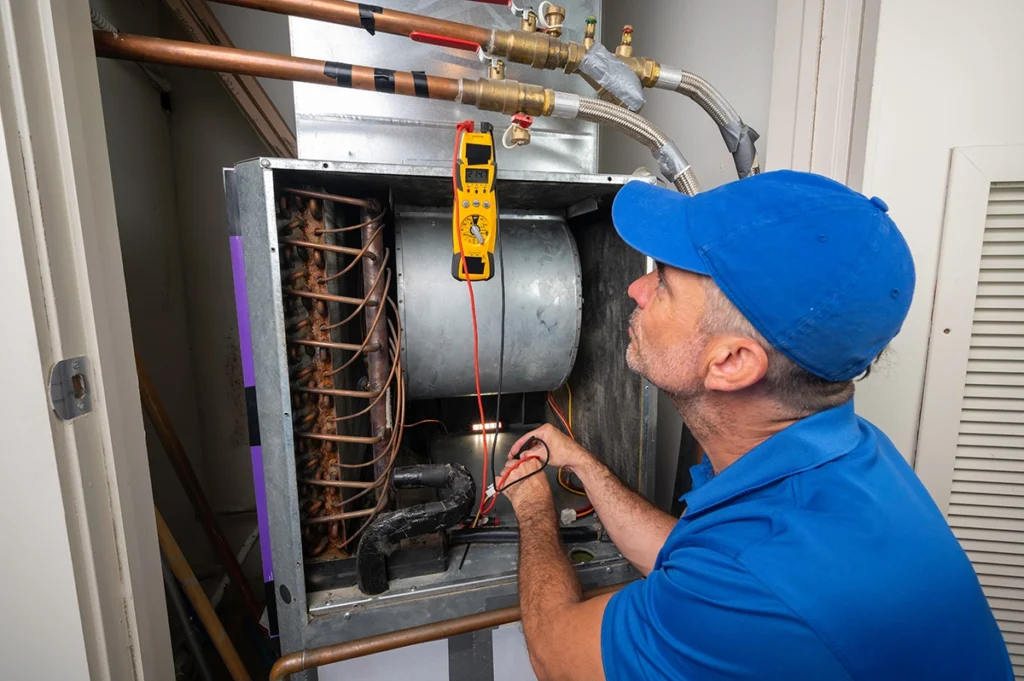
When homeowners ask us why their heating system suddenly feels off, the furnace blower motor is often part of the answer. From our day-to-day work at Pointer Cooling and Heating, we see this component quietly affect comfort more than people realize. While it doesn’t create heat itself, it plays a huge role in whether warm air actually reaches your rooms. Because of that, understanding how a furnace blower motor works — and what happens when it fails — helps homeowners
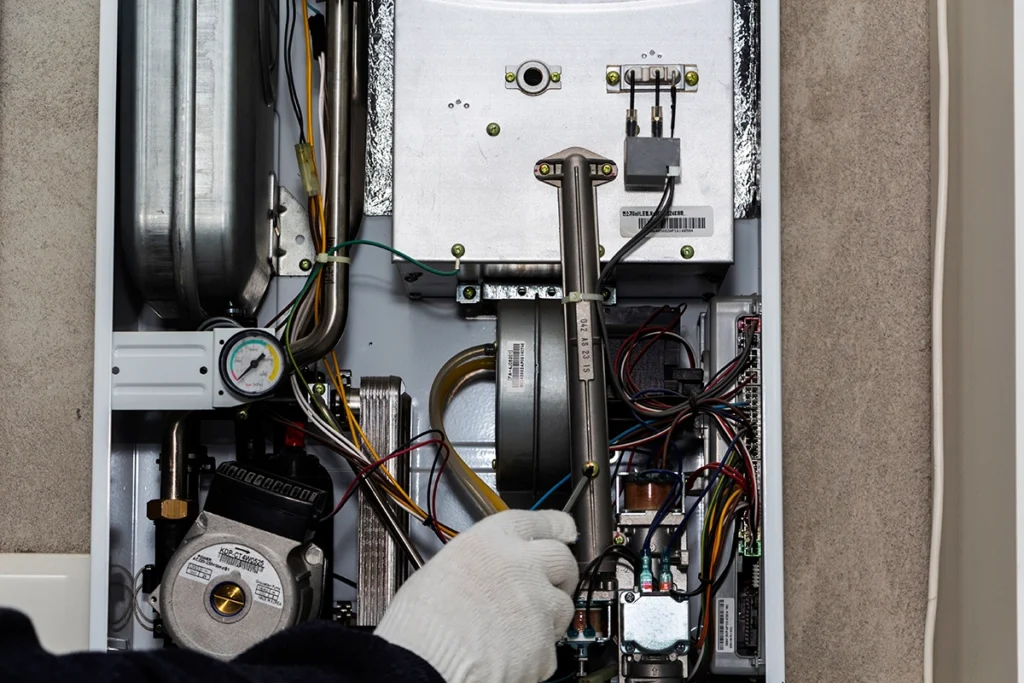
When a heating system shuts down unexpectedly, the furnace pressure switch is often part of the story. We see this issue regularly while diagnosing heating problems for homeowners. Although the part itself is small, it plays a major role in how your furnace starts and operates safely. When something goes wrong, the furnace may refuse to start or shut down mid-cycle. At Pointer Cooling and Heating, we help homeowners make sense of these types of problems. Understanding how a furnace