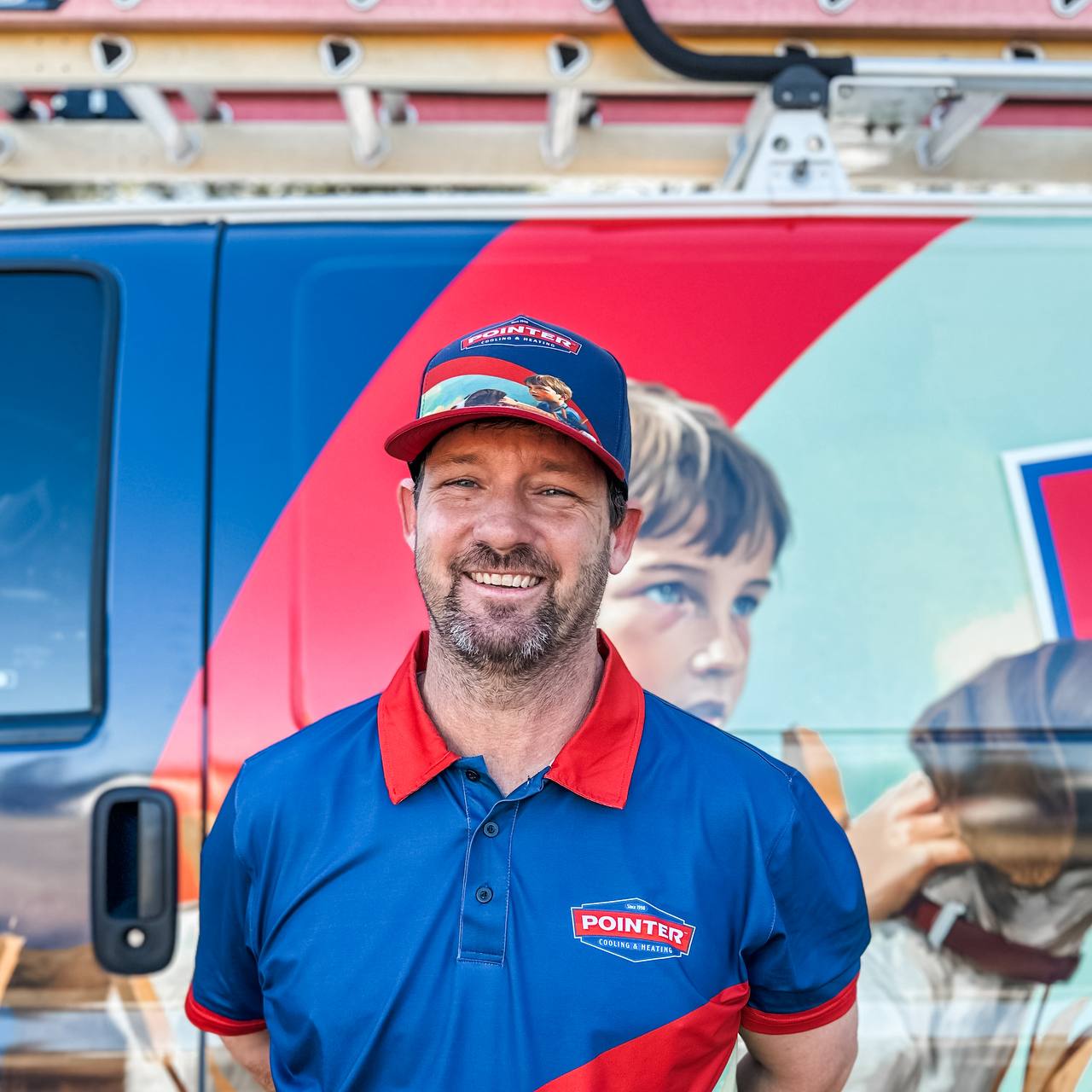
Not every HVAC problem counts as an emergency, but when your system fails in the dead of summer or the coldest night of winter, it’s easy to wonder if you should wait until morning or call for HVAC emergency service in Charleston right away. Some situations—like a complete system breakdown in extreme weather, strange burning smells, or gas odors—absolutely demand immediate attention. Others can safely wait a few hours or until regular business hours. At Pointer Cooling and Heating, we’ve taken thousands of emergency calls across the Lowcountry, so we know the difference between urgent and inconvenient. In this post, we’ll walk you through what actually qualifies as an HVAC emergency. We’ll also cover the most common urgent problems we see and what to expect when you reach out for help after hours.
What Counts as an HVAC Emergency?
An HVAC problem becomes an emergency when it threatens your safety, health, or property. A gas odor is one of the clearest warning signs. Leave the home immediately and contact your gas utility from a safe location. Once the utility confirms it is safe to return, an HVAC technician can inspect the heating equipment.
Electrical warning signs also require immediate attention. Turn off the system if you notice smoke, sparks, a burning odor, or a breaker that repeatedly trips. Do not keep restarting the equipment because doing so could worsen the problem.
A complete heating or cooling failure may also qualify as an emergency during severe weather. Indoor temperatures can quickly become unsafe for young children, older adults, pets, and people with certain health conditions. In addition, a heating failure during freezing weather can place plumbing pipes at risk.
Water leaking around an indoor unit should not be ignored either. A clogged condensate drain, frozen coil, or damaged drain pan can allow water to spread into flooring, ceilings, or walls. Our HVAC emergency service Charleston team can identify the source and stop the damage from getting worse.
Common HVAC Emergencies We See in Charleston
Several mechanical problems can cause an HVAC system to fail without warning. A damaged capacitor, failed motor, faulty contactor, or compressor problem may prevent the system from starting. In other cases, the equipment may run but fail to produce heated or cooled air.
Refrigerant problems can also interrupt cooling. Possible signs include ice on the refrigerant lines, warm air from the vents, unusual hissing sounds, or a system that runs continuously without lowering the temperature. Because refrigerant work requires specialized training and equipment, these problems need professional diagnosis.
Drainage failures are another common source of urgent calls. Charleston’s humid conditions cause air conditioners to remove significant moisture from indoor air. If a clogged condensate drain line prevents that moisture from draining properly, water may collect around the air handler or trigger a safety switch that shuts down the system.
Unusual grinding, screeching, or repeated banging can indicate a loose or failing component. Shut the system off if the noise is severe or suddenly becomes louder. Continuing to operate damaged equipment could lead to a larger repair.
Can the Problem Wait Until Regular Business Hours?
Some HVAC problems are inconvenient but do not require an after-hours visit. For example, a system that is still maintaining a safe indoor temperature may be able to wait until the next available appointment. Minor airflow differences, a single unusual noise that stops, or a thermostat programming issue may also be handled during regular hours.
Before requesting emergency service, check the thermostat settings and replace the batteries if necessary. You can also inspect the air filter and verify that the HVAC breaker has not tripped. However, only reset a breaker once. If it trips again, leave it off and contact a professional.
Do not wait when the problem involves gas odors, smoke, sparks, severe water leakage, or unsafe indoor temperatures. You should also request immediate help when continued operation could damage the system or the surrounding property.
What to Expect When You Call for Emergency HVAC Service
When you reach out to Pointer Cooling and Heating for HVAC emergency service Charleston, we understand the urgency of your situation. Whether your system has failed on the hottest day of summer or stopped heating during an unexpected cold snap, we’re ready to help. Our dispatch team will ask you key questions about the symptoms you’re experiencing, any unusual sounds or smells, when the problem started, and whether your thermostat is set correctly. This information helps us prioritize your call and prepare our technician with the right tools and parts for your specific issue.
Arrival, Assessment, and Transparent Communication
Once we arrive, the first step is a thorough assessment of your system. We’ll inspect the thermostat settings, check the electrical connections, examine the indoor air handler, and evaluate the outdoor condensing unit for visible damage or mechanical failure. For heating emergencies, we’ll inspect critical safety components, test the ignition system, and verify proper operation. For cooling failures, we’ll measure refrigerant levels, inspect the compressor and condenser coil, and verify airflow across the evaporator. Throughout the process, we explain what we find in plain language. We outline your repair options and provide a detailed estimate before any work begins.
Emergency calls are stressful, and our goal is to restore your comfort quickly while keeping you informed every step of the way. We’re licensed, insured, and stand behind our work with a workmanship warranty. You can trust the repair will hold.
What Affects the Cost of Emergency HVAC Service?
When you call for HVAC emergency service Charleston, the estimate we provide will reflect the unique circumstances of your situation. Several factors shape the cost of urgent repairs, starting with the time and day you need help. After-hours calls—late evenings, weekends, and holidays—require our technicians to respond outside normal schedules, which affects pricing. The nature of the problem also plays a major role. A tripped breaker or clogged drain line typically involves less labor and fewer parts than a major failure. When an older system needs an expensive compressor repair or has recurring refrigerant problems, comparing the cost of AC replacement may help you decide which option offers better long-term value.
The complexity of the repair itself drives much of the estimate. Accessible equipment in a ground-level location is faster to service than a unit mounted in a tight attic or requiring ladder work. If parts need to be sourced immediately—especially OEM components for older or specialty systems—that urgency influences the quote. We also consider the severity of the failure. A complete system breakdown in extreme heat or cold may require temporary measures to protect your home while we complete the full repair. That adds steps to the service call.
Why We Provide a Detailed Estimate First
Our team assesses your system on-site before beginning any work, so you understand what’s driving the cost. We explain labor time, parts, the scope of the repair, and whether a temporary fix or full replacement makes the most sense for your situation. We’re licensed and insured, and we stand behind our work with a workmanship warranty. Financing and payment plans are available to help manage the investment when an unexpected breakdown demands immediate attention.
Ready for Fast HVAC Emergency Service in Charleston?
An unexpected HVAC failure can leave you unsure whether the problem can wait. Pointer Cooling and Heating can inspect the system, explain what caused the failure, and recommend the safest repair option.
Before Charleston’s busiest cooling months arrive, consider scheduling preventive maintenance or addressing smaller problems you have already noticed. Routine service can identify worn components, drainage issues, and electrical concerns before they cause a sudden breakdown.
If you are already dealing with an urgent heating or cooling problem, contact us for HVAC emergency service Charleston homeowners can rely on. We stand behind our repairs with a workmanship warranty, and financing options are available to help manage unexpected costs.
Frequently Asked Questions
How quickly can someone respond to an HVAC emergency service call in Charleston?
Response time depends on the time of day, our current call volume, and the severity of the emergency. When you call us at Pointer Cooling and Heating, our dispatch team prioritizes urgent situations—like total system failure in extreme weather or safety hazards. We work to get one of our licensed technicians to your home as quickly as possible, even during after-hours periods.
What should I do while waiting for emergency HVAC service to arrive?
Turn off your system at the thermostat to prevent further damage, and make sure the area around your indoor and outdoor units is clear. If you smell gas, evacuate immediately and call your utility company first. We’ll handle the diagnosis and repair once we arrive safely at your home.
Does HVAC emergency service in Charleston cost more than regular repairs?
Yes, emergency calls typically involve higher costs because we respond outside regular business hours. This includes evenings, weekends, or holidays when scheduling demands are greater. The specific estimate also depends on the complexity of the repair, the parts required, and how accessible your equipment is. We provide a detailed quote on-site before starting any work so you know exactly what drives the cost.
Can I prevent HVAC emergencies before they happen?
Regular HVAC preventative maintenance can reduce the risk of sudden HVAC failures. ENERGY STAR recommends scheduling annual pre-season HVAC checkups so a technician can identify worn parts, drainage issues, and other developing problems early. Replacing dirty air filters and keeping the outdoor unit clear of debris can also lower the chance of an unexpected breakdown.